Barrington, IL
A Tub-to-Shower Conversion can modernize how your bathroom functions—especially when stepping over a tub wall is no longer practical. Barrington Bathroom Remodel Contractors Pro follows manufacturer installation specs and plumbing code requirements (including Illinois Plumbing Code alignment) to help ensure drainage, waterproofing, and long-term reliability. If you’re planning a Tub-to-Shower Conversion in Barrington, we focus on clean demolition, correct slope-to-drain, and a watertight system—because hidden leaks are what cause the expensive problems later.
Barrington Bathroom Remodel Contractors Pro is a licensed bathroom remodel contractor offering tub-to-shower conversion to homeowners in Barrington, IL. Our in-house team handles every trade — plumbing, electrical, tile, and finish — so your project stays on schedule and on budget. Free in-home design consultation.
A Tub-to-Shower Conversion replaces an existing bathtub footprint with a dedicated shower base, waterproofed walls, and a properly sized drain connection—without changing the entire bathroom layout. We typically remove the tub, expose the flange and studs as needed, then set a shower receptor using a laser level for slope verification and a Schluter-KERDI waterproofing system (or comparable) at seams and transitions. Depending on the existing plumbing, we may adjust the P-trap and riser and perform a flood test before wall tile goes up.
This service is often chosen to solve issues that show up around older tubs: recurring caulk failure at the tub-to-tile joint, soft subfloor from long-term seepage, and poor drainage caused by outdated trap arms or partial clogs. We frequently see tub alcoves with deteriorated gypsum board behind tile, missing vapor barriers, and failed mastic adhesive—problems that can lead to mold growth and structural rot. Converting to a shower also reduces the daily “step-over” height; for many households, that’s a practical safety upgrade, since the CDC reports falls are a leading cause of injury for older adults.
Our Tub-to-Shower Conversion approach is structured to keep the work controlled and verifiable. Step 1: protect adjacent finishes, then perform targeted demolition using a reciprocating saw and oscillating multi-tool to avoid unnecessary wall damage. Step 2: inspect framing and subfloor, replacing compromised sections with exterior-grade plywood where needed and sistering studs for a flat tile plane. Step 3: update plumbing to current requirements, including verifying venting and drain sizing, then set the shower pan and drain (often with an Oatey or comparable drain assembly) and run a flood test. Step 4: install backer and waterproofing, then finish with tile, grout, and silicone movement joints at changes of plane.
Materials and standards matter more in a conversion than most homeowners expect, because a shower is a full-time wet zone. We build to Tile Council of North America (TCNA) methods and use ANSI A118-compliant mortars and grouts (such as polymer-modified thinset) where specified. For substrates, we commonly install USG Durock cement board or Schluter-KERDI-BOARD instead of water-sensitive drywall, and we use 100% silicone sealant (ASTM C920 classification) at expansion and transition joints. Where glass is part of the scope, we specify tempered safety glass (ANSI Z97.1) and verify anchoring into solid blocking.
To keep the finish durable, we plan the conversion around moisture management and maintainability. That includes selecting a grout type appropriate to the tile (cement grout vs. epoxy grout), confirming wall plumbness before tile layout, and ensuring the shower curb (if used) is properly waterproofed with continuous membrane coverage. We also address practical details like installing a pressure-balanced shower valve (ASSE 1016) to reduce scald risk, and using corrosion-resistant fasteners in wet areas. The result is a shower system designed to handle daily use without relying on “extra caulk” as a waterproofing strategy.
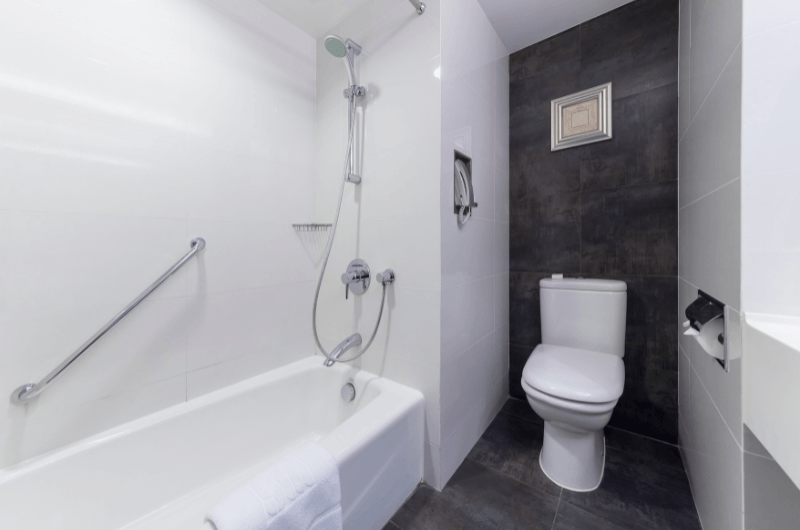
In Barrington, IL, we often work in a mix of established single-family homes and updated townhome properties where tub alcoves were built with older moisture practices that don’t hold up to daily showering. Seasonal humidity swings and cold winters in Lake County can stress grout lines and caulk joints, making proper membrane waterproofing and movement joints especially important. We coordinate permit and inspection steps with the Village of Barrington and account for typical local construction details—like older framing dimensions and subfloor layers—so the Tub-to-Shower Conversion is built to current expectations while fitting the realities of Barrington-area homes.
When you hire Barrington Bathroom Remodel Contractors Pro for tub-to-shower conversion in Barrington, you get a dedicated project manager, licensed in-house trades, a fixed-price quote upfront, and a lifetime workmanship warranty. We've completed hundreds of bathroom remodels across Barrington and know exactly how to navigate local building codes, permits, and HOA requirements.
Tub-to-Shower Conversion cost in Barrington typically depends on four main factors: (1) plumbing changes (moving the drain/valve, replacing the P-trap, or correcting venting), (2) waterproofing system and wall rebuild (cement board vs. foam board, membrane detailing), (3) finishes (tile grade, niche/bench, grout type like epoxy), and (4) scope of repair if rot or mold is found after demolition. Many projects land in a mid-range budget when the footprint stays the same and finishes are straightforward; costs increase when the subfloor needs replacement, the drain location must be reworked, or when custom tile layouts and accessories are added. The most accurate way to price it is to evaluate the existing tub alcove, confirm drain/vent conditions, and define finish selections before work begins.
A typical Tub-to-Shower Conversion takes about 3 to 7 working days, depending on demolition complexity, drying/curing times, and the finish scope. Simple conversions using a factory shower base and minimal tile work can be closer to the short end, while full tile surrounds with niche work, waterproofing membrane cure time, and grout curing can extend the schedule. If plumbing corrections, subfloor repair, or inspections are required, add additional time for rough-in approval and material lead times.
In Illinois, a permit is commonly required when a Tub-to-Shower Conversion includes plumbing modifications (such as moving the drain, replacing the valve, or altering supply lines), and in some cases for electrical changes in the bath area. Barrington permits and inspections are typically handled through the Village of Barrington building department, and code compliance may include the Illinois Plumbing Code and applicable sections of the International Residential Code (as adopted locally). If the conversion is truly like-for-like with no plumbing changes, requirements can vary—confirming with the local authority is the safest path before starting work.
You may be a candidate for a Tub-to-Shower Conversion if you notice: (1) difficulty stepping over the tub apron or frequent near-slips, (2) recurring caulk failure or staining at the tub-to-wall joint, (3) loose or hollow-sounding tile indicating substrate breakdown, (4) slow drainage or gurgling that suggests trap/vent issues, and (5) soft flooring or musty odors near the tub that can indicate water intrusion. If any of these are present, converting to a properly waterproofed shower system can address both usability and hidden moisture risks.
Schedule your free in-home design consultation today. Our licensed bathroom remodel contractors in Barrington will walk your space, listen to your vision, and give you an honest fixed-price quote — with no pressure and no hidden fees.